A tasting menu is the purest expression of a chef’s vision. Unlike à la carte dining, where dishes stand alone, a tasting menu unfolds like a story—beginning with curiosity, rising through complexity, and ending with reflection. Each course is a chapter crafted with intention.
Behind the scenes, chefs spend months testing, refining, and balancing components to ensure the menu flows effortlessly. Temperature, texture, acidity, and aroma must shift gracefully from one course to the next.
The Architecture of a Menu
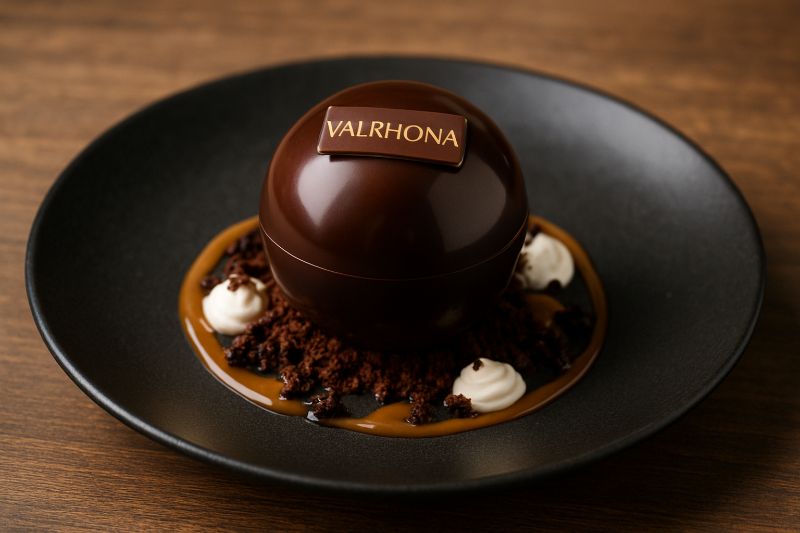
A well-designed tasting menu includes contrasts and pauses. A bright, cold dish may follow a warm, savory bite. A refreshing palate cleanser creates a reset. Desserts may begin with bitterness before easing into sweetness.
Nothing is accidental. Every transition is deliberate.
- Seasonal ingredients form the backbone
- Course progression follows sensory logic
- Emotional pacing is as important as flavor
A Dialogue Between Chef and Guest
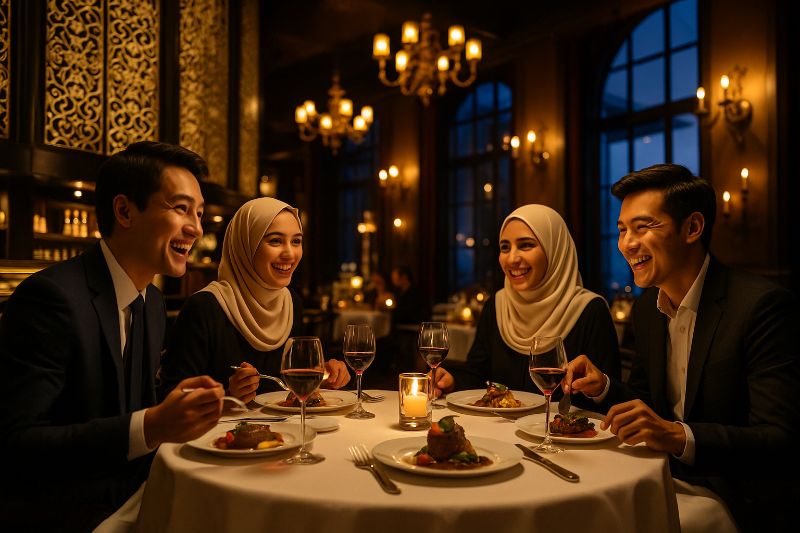
At its best, the tasting menu becomes a relationship. The chef offers a journey; the guest accepts the invitation.
“A tasting menu is a memory in multiple acts.”
From amuse-bouche to the final mignardise, the experience is designed to linger long after the evening ends.