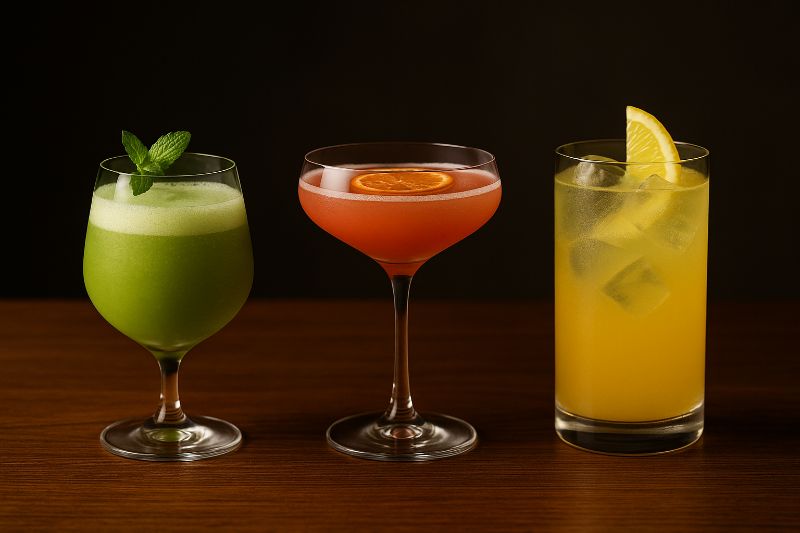
Non-alcoholic pairings have rapidly evolved from simple fruit juices to sophisticated, crafted beverages that rival the complexity of fine wine. As more guests seek elevated dining without alcohol, chefs and sommeliers have embraced a new creative frontier—one that celebrates botanicals, fermentation, tea culture, and refined extraction techniques. What used to be an afterthought is now becoming a hallmark of modern gastronomy.
This movement is not about limitation, but liberation. By removing alcohol, beverage artisans gain the freedom to explore flavors with clarity and precision. Every sip becomes intentional, designed to mirror the storytelling of the menu while offering a fresh perspective on balance and complexity.
A New Era of Palate Exploration
Non-alcoholic pairings allow diners to experience a tasting menu through a different lens. Instead of relying on tannins, alcohol warmth, or natural fermentation, these beverages lean into acidity, aromatics, and texture to complement each dish. The result is a journey that feels inclusive and forward-thinking—accessible to every guest, regardless of preference.
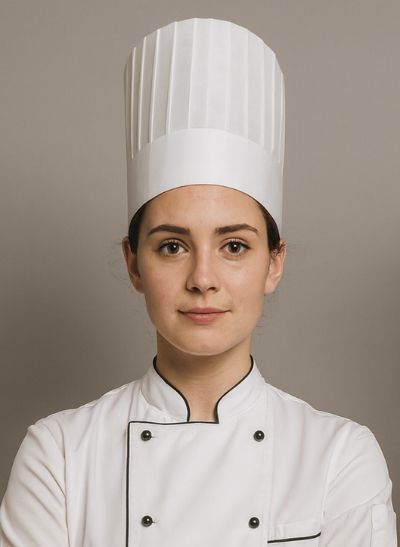
Chefs now collaborate closely with beverage teams, creating pairings that enhance the emotional arc of the menu. The focus shifts to ingredients: fresh herbs, roasted spices, aged teas, clarified juices, lacto-ferments, and rare botanicals. These components open a world of possibility far beyond traditional wine pairing.
- Balanced acidity and brightness
- Botanical aromatics layered with intention
- Textural contrast that mirrors plating
- Zero-proof beverages crafted like fine cocktails
Craftsmanship Behind Zero-Proof Pairings
Creating a thoughtful non-alcoholic pairing requires as much artistry as crafting a culinary dish. Beverage artisans must balance sweetness, bitterness, tannin-like structure, and carbonation—all without relying on alcohol’s natural backbone. Techniques such as cold brewing, sous vide extraction, lacto-fermentation, and barrel-aging are frequently used to achieve depth.
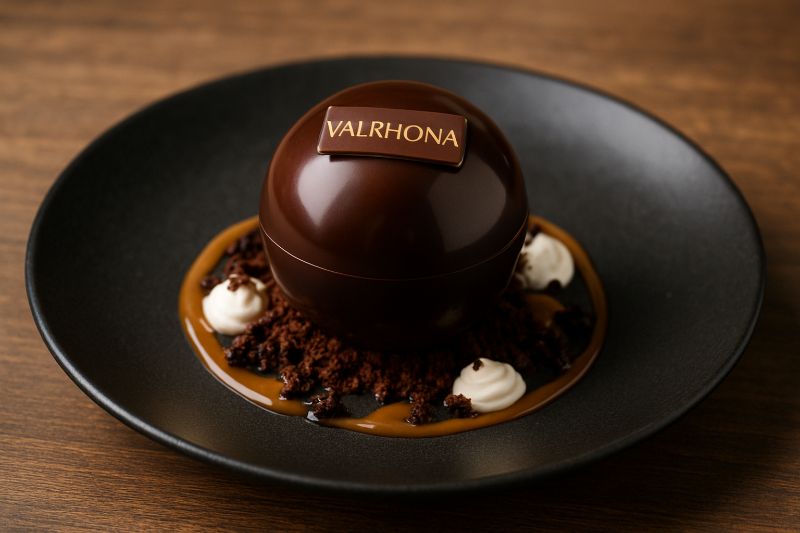
Each drink is plated with as much care as the food it accompanies. Some pairings arrive in handmade glassware; others feature floating herbs, smoke infusions, or clarified layers that evoke fine cocktail aesthetics. The goal is not to imitate wine, but to build something uniquely expressive.
“Zero-proof does not mean zero sophistication—it means infinite creativity.”
Seasonal and Ingredient-Driven Harmony
Non-alcoholic pairings often highlight seasonality even more vividly than wine. Spring menus may feature green apple verjus, cucumber distillations, or jasmine tea infusions. In summer, tropical notes like pineapple skin tepache or hibiscus cold brew bring energy and brightness. Autumn welcomes roasted squash tonics or spiced lapsang teas, while winter showcases rich reductions of berries, cacao, and warm spices.
Some examples of memorable pairings include:
- Yuzu–ginger spritz with dry ice aromatics
- Smoked lapsang tea with black garlic syrup
- Clarified raspberry–rose kombucha
- Roasted corn milk with vanilla bean and saline
Each pairing acts as a mirror to the dish it accompanies, amplifying emotion and enhancing the sensory flow of the tasting menu.
The Inclusive Future of Fine Dining
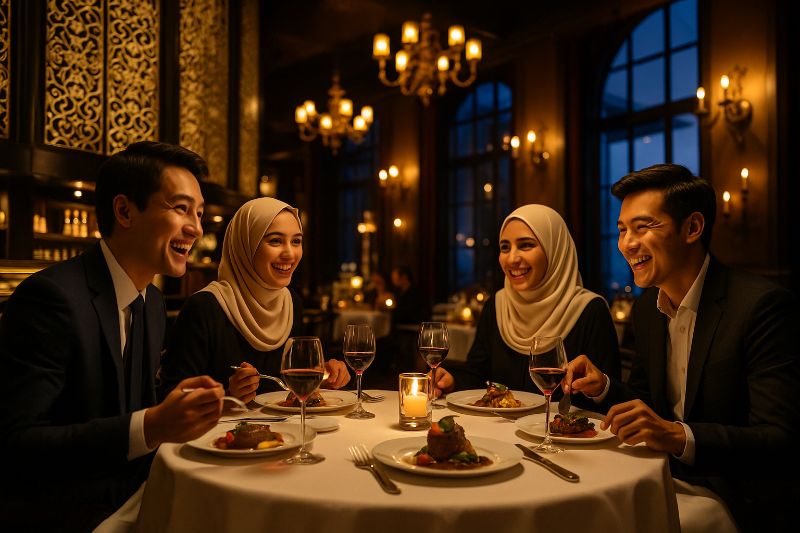
The rise of zero-proof pairings reflects a broader shift toward inclusivity. Guests who abstain from alcohol—whether for health, preference, cultural reasons, or simply curiosity—can now enjoy a complete gastronomic experience without compromise. This evolution strengthens the storytelling of the menu and deepens the relationship between the kitchen and the dining room.
Non-alcoholic pairings are more than a trend; they represent a philosophy. They reaffirm that fine dining is not defined by alcohol, but by creativity, technique, and the ability to evoke emotion. As this movement continues to grow, one thing becomes clear: the future of beverage pairing is bright, botanical, and wonderfully inclusive.